Aviation Switching Module – NSN 4920-01-250-2696 (AS-IS / Untested): Aerospace Electrical Control Component
Aviation Switching Module – NSN 4920-01-250-2696 (AS-IS / Untested): Aerospace Electrical Control Component
Blog Article
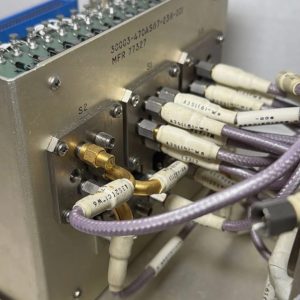
The Aviation Switching Module – NSN 4920-01-250-2696 (AS-IS / Untested) is a specialized aerospace electrical component offered for professional evaluation, restoration, testing, parts recovery, collection, or another suitable non-assumed application.
The Aircraft Switching Module offers potential maintenance or restoration value, while the Aerospace Switching Module must be inspected for condition, completeness, modification, and storage-related deterioration.
An Aircraft Electrical Switching Module can have commercial value for technicians, while an Aviation Electrical Control Module or Aerospace Electrical Control Unit requires qualified bench evaluation before operational consideration.
The Aviation Control Module may be associated with a larger Aircraft Electronic Switching System, while the Aerospace Switching Unit and Aircraft Electrical Module should be inspected before connection or installation.
Why NSN Verification Matters
NSN 4920-01-250-2696 should be compared with the data plate, manufacturer number, contract markings, serial number, connector layout, and available documentation on the actual unit.
Complete identification increases the value of the Aviation Switching Module for restoration, research, inventory management, or component evaluation.
AS-IS Aerospace Equipment Considerations
AS-IS and untested means the module is offered without confirmation that it powers on, switches circuits, communicates with associated equipment, meets specifications, or performs its original function.
An untested component should not be connected directly to aircraft wiring, expensive test equipment, batteries, laboratory supplies, or unknown power sources.
Choosing an Aircraft Switching Module
Application accuracy protects buyers from assuming that a broadly named Aircraft Switching Module will fit their project.
A detailed visual inventory supports informed evaluation of the Aircraft Switching Module.
Rugged Aviation Module Design
The enclosure here should be inspected for dents, cracks, corrosion, missing screws, altered holes, broken seals, and unauthorized repairs.
Connectors should be examined for bent pins, pushed-back contacts, corrosion, contamination, cracked inserts, damaged threads, broken keyways, missing caps, and impact marks.
Aircraft Electrical Hardware Review
A qualified technician should determine whether additional internal inspection is justified.
If the enclosure is opened for professional inspection, the process should be documented with photographs and organized hardware control.
Maintaining Electrical Control Equipment
Professional research should occur before any attempt to connect the Aviation Electrical Control Module.
Aggressive solvents, scraping, repainting, or polishing may remove original information.
Aircraft Power Switching Module Considerations
Current capacity, voltage, duty cycle, contact type, protection requirements, and load characteristics should be confirmed before testing.
Accurate reporting protects buyers seeking an Aircraft Power Switching Module for repair, parts, or research.
Aerospace Electrical Control Unit Evaluation
Visual inspection, continuity checks, insulation review, component identification, and controlled testing may form part of a professional evaluation.
Replacement components should match the required electrical, mechanical, thermal, and environmental characteristics of the original design.
Maintaining Aircraft Interface Hardware
An incorrect connection may damage sensitive electronics even when the module itself receives little power.
The module should not be modified with unshielded wiring or improvised connectors solely for convenience.
Aviation Module System Integration
Buyers should determine whether they need a direct replacement, restoration item, training aid, or parts source.
Compatibility should be verified through NSN, part number, manufacturer, connector layout, revision level, modification status, and equipment application.
Aircraft Switching Unit for Maintenance or Restoration
An Aircraft Switching Unit offered AS-IS may appeal to aviation workshops, military-equipment collectors, technical schools, restoration specialists, and organizations maintaining legacy support equipment.
Responsible educational use can extend the value of the Aircraft Switching Unit.
Aerospace Circuit Management
Professional evaluation helps determine whether the unit serves a power-distribution role or another specialized function.
The original installation orientation should be researched where possible.
Control Unit Connector and Switch Review
The unit should be photographed before and after any preservation work.
Testing results should identify exactly which switches, contacts, indicators, or circuits were evaluated.
Untested Aviation Power Equipment
The NSN’s federal supply classification may provide useful context, but the exact role should still be researched through item-specific records.
Warning labels should remain visible and legible.
Aircraft Electronic Switching System Integration
A systems approach supports more accurate troubleshooting and restoration.
The module should not be blamed until related wiring and equipment are considered where the original system is available.
Preserving Military Aviation Equipment
Connector caps should remain fitted, and the module should be supported without placing pressure on switches, knobs, cables, or mounting brackets.
Shipping should use cushioning that supports the enclosure while protecting protruding switches, connectors, controls, labels, and mounting points.
Buying AS-IS Aviation Electronics
An Aircraft Electrical Module should be purchased according to exact identity, intended use, condition, completeness, technical support, testing requirements, and available documentation.
The seller should explain whether the unit has been powered, opened, repaired, modified, tested, or removed from known equipment.
Inspecting the Aviation Switching Module Before Purchase
A detailed review reduces misunderstanding and supports realistic purchasing decisions.
- Request photographs of all labels, switches, controls, connectors, mounting points, enclosure surfaces, seals, fasteners, and included accessories.
- Inspect switches, knobs, indicators, connectors, pins, wiring, and terminals for damage, looseness, contamination, overheating, or unauthorized repair.
- Report shipping damage, missing accessories, identification differences, undisclosed repairs, or altered condition promptly.
Evaluating an Untested Electrical Module
Testing should begin with identification research, visual inspection, connector mapping, safety review, and examination of available technical documentation.
Powered testing should proceed gradually while monitoring current, temperature, smell, noise, indicators, and unexpected behavior.
Aircraft Electrical Module Repair Planning
Restoration should begin with condition documentation, careful cleaning, technical research, component identification, fault isolation, and repair planning.
Accurate records support future maintenance and responsible resale.
Final Thoughts on the Untested Aircraft Switching Module
For the right purchaser, the unit can offer a useful foundation for technical research, controlled troubleshooting, component recovery, or legacy-equipment restoration.
An experienced aviation-electronics technician should assess the module before it is powered, installed, or connected to other equipment.
Whether the product is described as an Aircraft Switching Unit, Aerospace Power Distribution Module, Aircraft Electrical Control Unit, or Aviation Power Control Module, AS-IS limitations should remain clear.
With prompt attention to switches, connectors, wiring, enclosure condition, corrosion, labels, and internal components, the module can preserve its technical and commercial potential.
Report this page